Section 1 : The Crisis
The escalating conflict between Thailand & Cambodia led to displacement of 150,000 people, death of 35 and large scale destruction of civilian properties on both sides of 800 KM long disputed border.
Section 2 : History of this area
The Khmer or Angkorian empire established by the King Jayavarman 2nd, ruled present day Cambodia from the capital Angkor between 800 to 1450 AD. Ruler of this empire built Preah Vihar temple ( Hindu Lord Shiva temple) that is main flash point of this long standing conflict. Other grand temples also built by Angkorian kings that is still existing in this region. At its peak this empire controlled part of today’s Laos, Thailand, Vietnam, Myanmar. Later this region came under French control

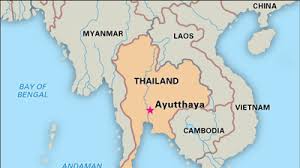
After weakening of the Khmer empire, Ayutthaya empire came into existence in the area of Siam that is present day Thailand. The name Ayutthaya originates from Ayodhya ( An Indian City in state of Uttar Pradesh ) the capital city of Hindu Lord Rama. These rulers highly revered Ramakien ( Today Thailand’s national epic ) It is Thai version of ancient Hindu epic Ramayan, that describes the life of Lord Rama. Ayutthaya rulers ruled from 1350 to 1750 AD. At its peak this empire captured many areas of Khmer empire like Laos, Myanmar, Cambodia including areas of Mekong river, Angkor capital, grand temples.
Section 3 : French Entry
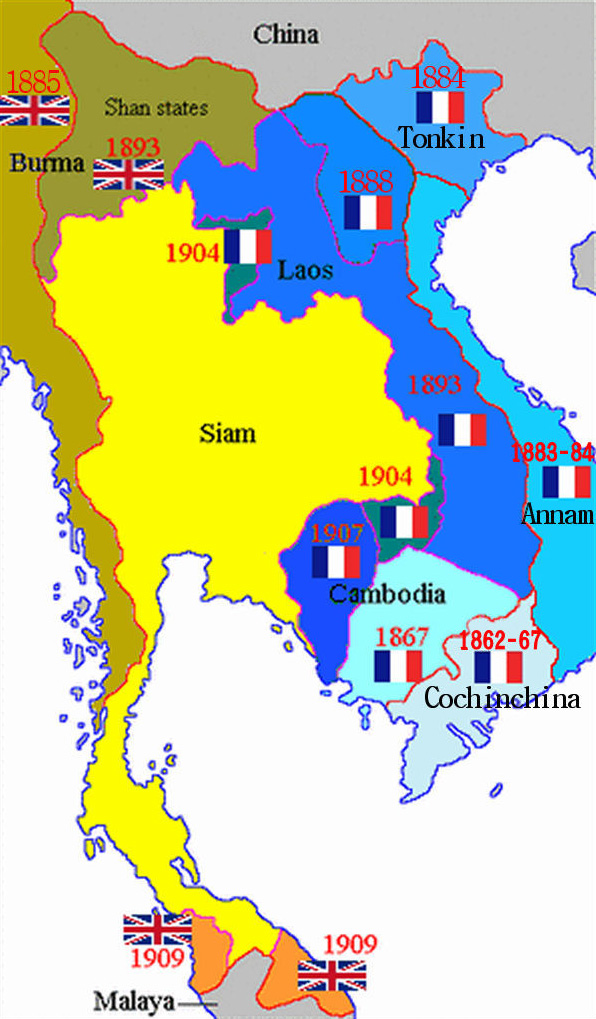
French entered this region through Vietnam and established French-Indochina that lasted from 1887-1954. It included Vietnam, Laos, Cambodia. Throughout this era Thailand ( Siam ) was the only nation that was not colonised by any Western powers although it was always threatened and forced into unfavourable treaties. Like in Franco-Siamese crisis 1893, Thailand ( Siam ) was forced to give Laos, further treaties like Franco-Siamese in 1904 & 1907 took areas of Mekong river, Angkor capital & grand temples from Thailand ( Siam ). Although at that time Thai ( Siam ) officials did not oppose but deep in the mind they were dissatisfied with the treaties and considered ceded areas as “Thailand’s ( Siam’s ) lost territories”
Section 4 : World War 2
From the 1930s the concept of “Thailand’s lost territories” was popularise by Thai rulers to incite nationalism. As the result during World War 2, with the help of Japan, Thailand invaded French-Indochina and took some of its lost territories but after the defeat of Japan in World War 2, Thailand again had to cede whatever it gained.
Section 5 : Post World War 2 Era
Cambodia got independence from France in 1953, soon after French withdraw Thai forces occupied Preah Vihar temple. Cambodia took the matter to International Court of Justice ( ICJ ) and won the case in 1962. After the judgement Thailand reluctantly withdrew its troops.
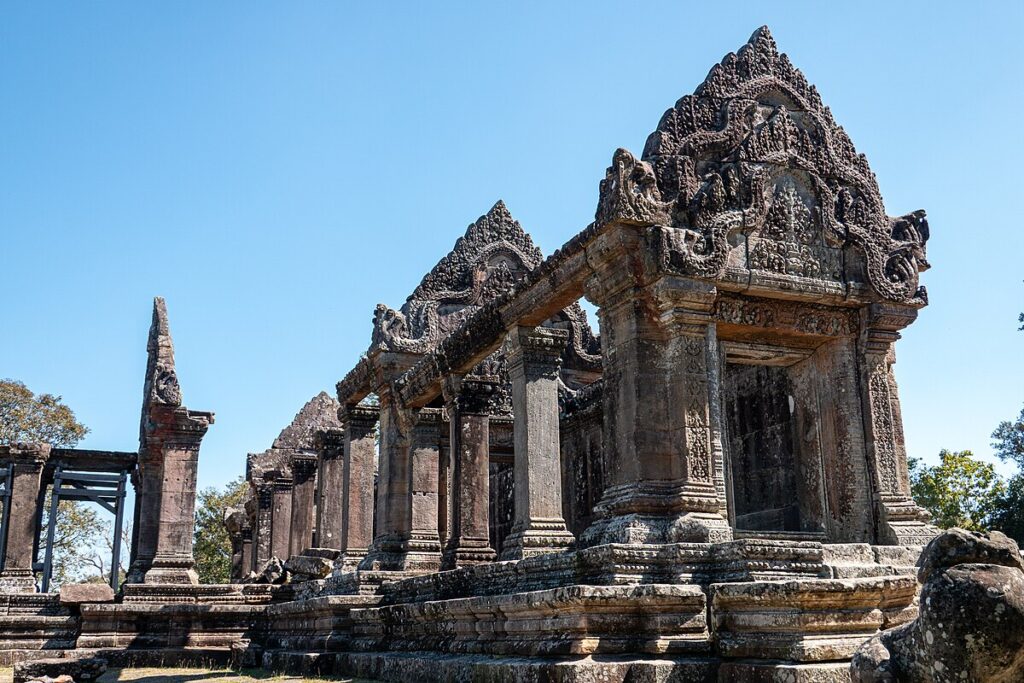
Section 6 : 2008 Conflict
The dispute resurfaced in 2008 when Cambodian government nominated Preah Vihar temple to UNESCO World Heritage Site list. At least 35 people killed during the three year long tension.
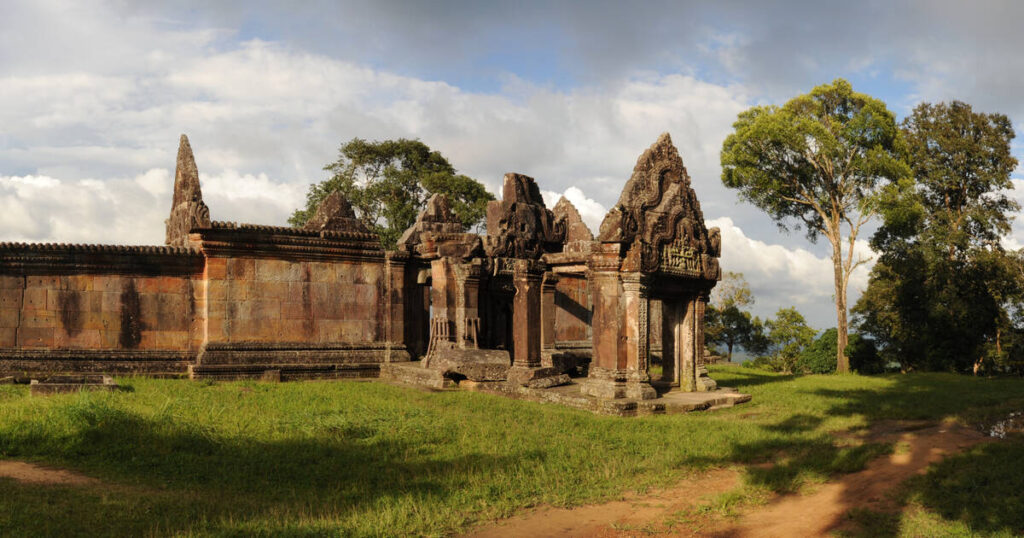
Section 7 : Current Conflict ( 24-28 July ) 2025
On 28 May 2025 a brief skirmish took place between Thai & Cambodian soldiers resulting in the death of 1 Cambodian soldier. Since then tension escalated however, efforts started for de-escalation but all efforts failed as tensions continued in border areas. On 23 July 2025 a member of Thai Patrol Group lost his leg because of Cambodian land mine claimed to have been laid recently this added fuel into fire. After that Thailand reduced the diplomatic ties with Cambodia and recalled its citizens residing in Cambodia. Both parties started claims and counter claims of border violations, firing, UAVs infiltration. Finally On the morning of 24 July Thai airforce targeted Cambodian positions with F-16s and the brutal war broke out between two neighbours led to displacement of 150,000 people, death of 35 people and large scale destruction of civilian properties on both sides.

Section 8 : Ceasefire 28 July 2025
Finally the ceasefire agreement was announced on 28 July 2025 after the talks held in Malaysia. Although the dispute is still not resolved, giving the space for such conflicts in future also.